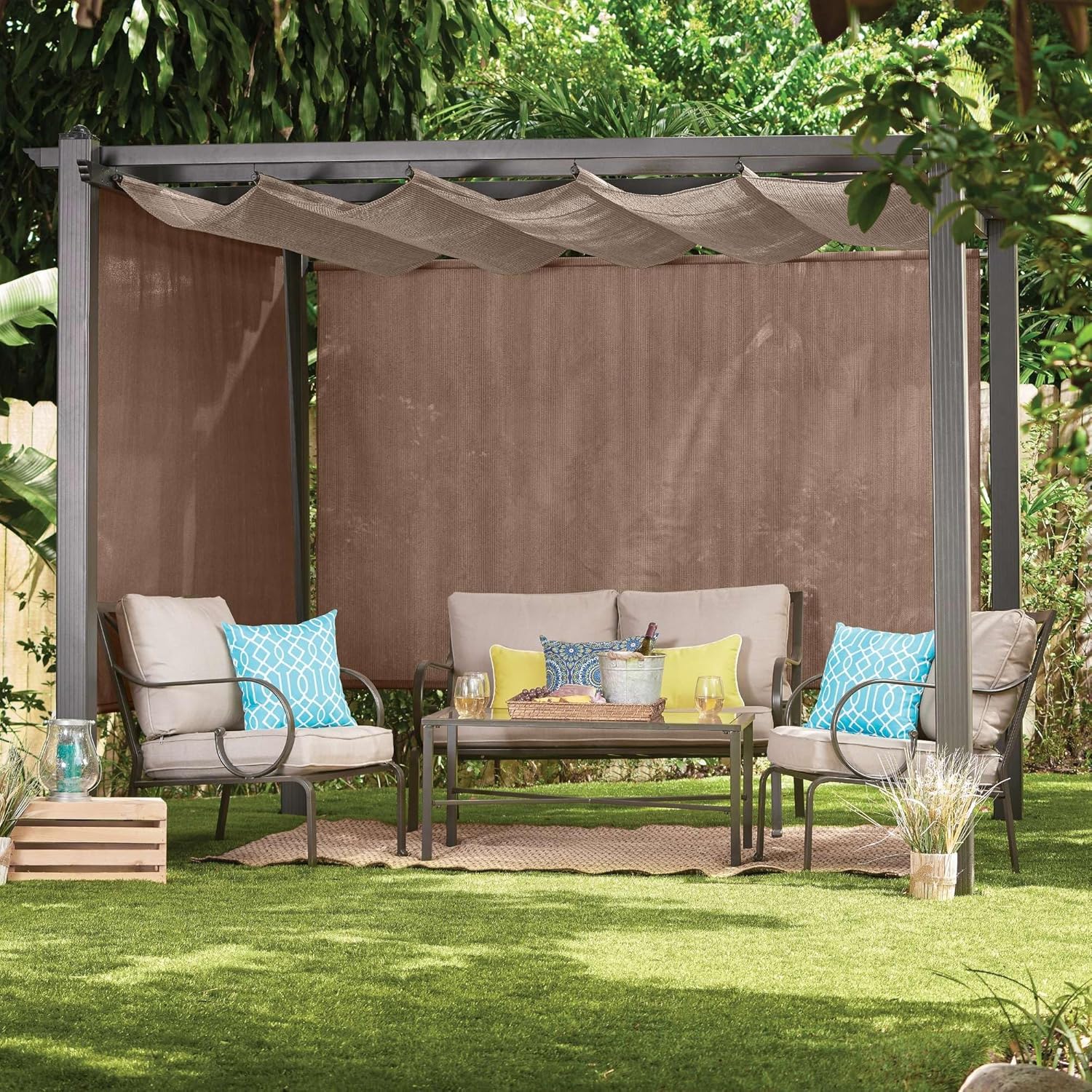
If you’ve ever bought a beautiful bamboo roller shade for your patio, hung it up, and watched it warp, split, or mildew by the end of summer — you know the problem this guide is here to solve. Bamboo and reed roller shades are roll-up window coverings made from natural plant stalks woven or stitched together; they diffuse sunlight softly, look right at home on a covered porch or pergola, and cost far less than motorized fabric systems. The catch is that “bamboo” is a broad category, and the same aesthetic can hide very different construction underneath — some versions are essentially interior shades wearing a weather-resistant label, while others are genuinely built for prolonged UV exposure, humidity swings, and wind load. By the end of this article you’ll know exactly which material and hardware signals separate a shade that lasts two seasons from one that lasts ten, what the realistic failure modes are, and how to match product tier to your specific exposure conditions.
What “Outdoor Rated” Actually Means for Natural-Material Shades
The phrase “outdoor shade” does a lot of heavy lifting in retail listings, and it pays to unpack it before you spend $400 on a pergola installation. At minimum, an outdoor-rated natural shade should address three independent threat vectors: UV degradation, moisture (both ambient humidity and direct rain), and wind-driven mechanical stress. A product that handles two out of three will still fail — just more slowly.
UV degradation is the most predictable failure mode for untreated bamboo and reed. Raw bamboo contains lignin, a structural polymer that breaks down under prolonged UV-B exposure, causing the stalk to bleach, become brittle, and eventually crack. Manufacturers counter this with one or more of the following: UV-inhibiting lacquer or sealant applied at the factory, carbonization (a heat treatment that darkens the bamboo and increases density), or synthetic wrapping of the individual slats with UV-stabilized monofilament. The Spruce’s roundup of outdoor roller shades notes that carbonized bamboo consistently outperforms natural-finish bamboo in direct-sun applications, while reed and matchstick styles with synthetic monofilament binding hold color and flexibility longer than those bound with natural jute cord. If a product listing doesn’t specify treatment type, ask — or assume it’s interior-grade material in an outdoor wrapper.
Moisture resistance splits into two distinct problems that are sometimes conflated. The first is mold and mildew: bamboo and reed are organic materials that will support fungal growth when they stay damp. Closed, humid environments (a covered porch on the Gulf Coast, for example) are more dangerous here than open patios in drier climates because the shade never fully dries between weather events. The second is structural swelling and warping: reed in particular is prone to absorbing water and expanding unevenly when stitching tension varies across the panel. Per Bob Vila’s outdoor shade guide, products with thermally fused or heat-welded monofilament binding hold their geometry through wet-dry cycles better than those with cotton or jute string, because the synthetic cord doesn’t absorb moisture and stretch. Bamboo slat shades that incorporate a solid aluminum or stainless headrail (rather than a wood or hollow plastic one) also resist warping at the top of the panel, where failure typically originates.
Wind load is the most underestimated factor in residential patio shade selection. Apartment Therapy’s outdoor shade coverage consistently flags this as the leading cause of premature hardware failure: a 6-foot-wide shade acting as a sail in a 25 mph gust generates meaningful lateral force on the mounting bracket. Look for stainless or powder-coated zinc alloy brackets rated for at least the shade’s panel width, side-channel track systems for fully exposed installations, and bottom-rail weighting of at least 1–1.5 lbs per linear foot of shade width. Shade manufacturers serving commercial pergola markets (Coolaroo and Phifer are the two most-cited names in trade reviews) publish wind-load ratings in their spec sheets; residential products from home-improvement retailers rarely do, but reviewers on Houzz and aggregated retail platforms consistently report that shades with a weighted aluminum bottom bar and dual-spring roller mechanism survive wind exposure markedly better than those with a thin steel bottom rail and single-spring tension.
Material Comparison: Bamboo Slat vs. Reed vs. Matchstick
Understanding the three dominant natural-material constructions will let you read a product listing in about thirty seconds and immediately categorize it by durability ceiling.
Bamboo slat shades are built from flat-cut bamboo pieces, typically 3–8mm wide, threaded or glued onto a backing. Higher-end versions use solid-cut slats from Moso bamboo (a dense, fast-growing species favored for structural applications); lower-cost versions use thin veneered or pressed-bamboo strips that look identical in product photos but delaminate under moisture cycling. The tell is weight: a quality bamboo slat shade in the 5-foot-wide range should weigh 4–6 lbs before hardware. Anything under 3 lbs is almost certainly veneer-over-backing construction.
Reed shades use round or half-round dried reed stalks — typically from wetland grasses — woven together with string. They’re the most texture-forward option and the most visually traditional, but they’re also the most moisture-sensitive because the hollow reed stalk can absorb water along its entire length. This Old House’s guide to exterior window treatments recommends reed shades only for covered patios with significant roof overhang (minimum 18 inches) in climates with moderate humidity; for coastal or high-humidity applications, they recommend synthetic reed alternatives or bamboo slat.
Matchstick shades (also called “roll-up bamboo” or “tortoise” shades in some retailer catalogs) use very thin bamboo splits — roughly the diameter of a matchstick — woven tightly with cotton or synthetic cord. They’re the most common format under $150 because the raw material is inexpensive and the weave is fast to produce. The tradeoff is that thin splits are the first to crack under UV stress and the most susceptible to fraying at the weave line when the binding cord degrades. Family Handyman’s coverage of outdoor fabric care notes that UV-inhibiting spray treatments extend the life of matchstick shades by 40–60% in high-sun applications, but that the treatment needs reapplication each season to remain effective.
By the Numbers
| Construction | Realistic Outdoor Lifespan (covered patio, moderate climate) | Realistic Outdoor Lifespan (full sun, coastal) | Relative Cost per sq ft |
|---|---|---|---|
| Carbonized bamboo slat, synthetic binding | 6–10 years | 3–5 years | $8–$18 |
| Natural bamboo slat, lacquer finish | 3–6 years | 2–3 years | $5–$12 |
| Reed, cotton binding | 2–4 years | 1–2 years | $4–$9 |
| Matchstick, synthetic binding | 3–5 years | 2–3 years | $3–$8 |
Lifespan estimates drawn from aggregated owner reviews on Houzz and major retailer platforms, cross-referenced against manufacturer warranty terms as of May 2026.
Hardware and Installation: Where Most Installations Actually Fail
The shade material gets most of the attention in buying decisions, but hardware failure is responsible for a significant share of premature replacements — and it’s far easier to evaluate at the point of purchase than fiber durability.
Headrail construction matters most on exposed installations. Aluminum headrails resist corrosion better than steel, and closed-channel designs (where the rolling mechanism is fully enclosed) trap less debris and moisture than open-tube designs. If you’re ordering custom shades through a retailer like The Shade Store or Smith & Noble, their outdoor-specific product lines specify marine-grade hardware as standard; if you’re purchasing off-the-shelf from SelectBlinds or similar mid-tier retailers, verify whether the headrail carries a separate outdoor rating or whether “outdoor use” refers only to the shade material.
Mounting brackets on patio shades take far more abuse than their indoor equivalents because thermal expansion cycles, wind torque, and occasional impact from furniture are all in play. Stainless steel or powder-coated zinc alloy brackets are the baseline for any installation that won’t be taken down seasonally. If you’re mounting into a wood pergola beam, use stainless lag screws rather than zinc drywall anchors; wood movement over the season will gradually back out any fastener that isn’t threaded deep enough.
Side channels are worth the additional cost on any installation wider than 4 feet or in a location with consistent afternoon wind. A side channel is a vertical track that the shade slides into at each edge, preventing the panel from billowing and reducing edge wear on the binding cord. Apartment Therapy’s outdoor coverage notes that owners who installed side channels report dramatically lower cord fraying and hardware stress in windy environments — the tradeoff is that they require precise measurement and limit how far the shade can be raised without disengaging from the track.
Matching Product Tier to Your Exposure Conditions
Here’s the decision framework this category actually requires. The common mistake is buying for aesthetics first and hoping the material is adequate — the more reliable approach is to classify your exposure conditions first, then select within that constraint.
Fully exposed to direct sun (no overhang, south or west facing): Carbonized bamboo slat with synthetic monofilament binding, aluminum headrail, and UV-inhibiting topcoat is the minimum specification that reviewers consistently describe as lasting beyond three seasons. Budget matchstick and natural reed shades will degrade visibly within two seasons in this application; the cost savings don’t survive the math when you factor in replacement. For fully exposed pergolas in coastal climates, the Phifer SheerWeave and Coolaroo lines — which use synthetic fiber rather than natural material — deliver longer service life and are worth considering if the natural-material aesthetic is flexible.
Covered patio or pergola with significant overhang, moderate climate: This is the sweet spot for natural materials. Reed, matchstick, and natural bamboo slat all perform acceptably here with proper seasonal care (light brush cleaning, UV spray reapplication each spring). The Spruce’s outdoor shade roundups consistently place mid-tier bamboo slat shades from SelectBlinds and Blinds.com in this tier as good-value picks, provided buyers select the outdoor hardware package rather than the default interior hardware.
High-humidity or coastal environments, covered patio: Prioritize synthetic binding over cotton or jute, and add a water-repellent topcoat treatment each season. Reed should be avoided unless you’re prepared for a 2–3 year replacement cycle. Carbonized bamboo with sealed slat edges is the most defensible natural-material choice.
Seasonal use, shade stored indoors in winter: Lifespan estimates above assume year-round outdoor exposure. If you’re committed to seasonal removal and indoor storage, standard interior-grade bamboo and matchstick shades can perform acceptably on a covered patio for several years — the UV and moisture cycles are simply shorter. Bob Vila’s buyer guides flag this as the single most effective way to extend the service life of lower-cost shades, though it only works if the storage space is genuinely dry and the shade is cleaned before storage.
The Decision Rule
If your patio sees direct sun more than four hours per day, don’t buy natural reed or matchstick below $8/sq ft without factoring in a 2–3 year replacement cycle into your cost comparison. Carbonized bamboo slat with synthetic binding at $10–$18/sq ft pencils out better over a five-year horizon in nearly every scenario.
If you’re on a covered patio in a moderate climate and aesthetics are the primary driver, mid-tier bamboo slat from major retailers with aluminum headrail hardware is the right balance of longevity and cost — and it’s where the widest range of texture and finish options lives.
If you’re specifying for a client project or full-patio installation where replacement is a disruption and not just an inconvenience, lean toward manufacturer-warranted outdoor-specific lines from The Shade Store or Smith & Noble, and verify that the warranty explicitly covers outdoor use and UV degradation — some warranties void coverage for any exterior application regardless of how the product is marketed.
The natural material is the aesthetic you’re buying. The construction beneath it is what you’re betting on.