If you’ve been shopping bamboo roman shades — those warm, woven window coverings made from natural grass or bamboo reeds that fold up in neat horizontal pleats — you’ve probably noticed that every product listing carries one of two labels: light filtering or room darkening. Light filtering means the shade lets in a softened, diffused glow while blocking direct glare. Room darkening means it’s designed to block most, if not all, incoming light. Simple enough in daylight. The problem is that neither label tells you what happens after dark, when the math flips: instead of blocking outside light from coming in, you’re now trying to keep inside light from leaking out — and suddenly your cozy, private living room is a silhouette theater for anyone walking past. This guide breaks down exactly what those labels mean in practice, where the specs stop and the real-world trade-offs begin, and how to make the right call for each room you’re specifying.
| EDITOR'S PICK[MOOD Custom Bamboo Shades](https://www.amazon.com/dp/B09134FBVY?tag=greenflower20-20) | Mid-tier[ARLO BLINDS Sheer Bamboo Roman…](https://www.amazon.com/dp/B077XK41VX?tag=greenflower20-20) | Budget pick[CHICOLOGY Bamboo Roman Shades -…](https://www.amazon.com/dp/B0D2ZCPY55?tag=greenflower20-20) | |
|---|---|---|---|
| Light Control | — | Light Filtering | Light Filtering |
| Cordless | ✓ | ✓ | — |
| Valance | — | ✓ | — |
| Custom Size | ✓ | ✗ | ✗ |
| Hardware | — | ✓ | — |
| Price | $67.99 | $50.99 | $35.10 |
| See on Amazon → | See on Amazon → | See on Amazon → |
Why Bamboo’s Natural Weave Changes Everything
Bamboo roman shades occupy a fundamentally different category than cellular shades or roller shades made from synthetic fabrics. The material itself — whether it’s flat bamboo slats, matchstick reeds, or woven grass strands — is inherently porous. The “opacity” of any woven-natural shade is determined not just by the density of the weave, but by the consistency of the gaps between individual fibers. Unlike a roller shade where a manufacturer can specify opacity to within a few percentage points by controlling fabric weight and coating, bamboo weave opacity varies batch to batch and even panel to panel.
The Spruce’s overview titled Bamboo Blinds vs. Wood Blinds: What’s the Difference? notes that woven natural shades are celebrated precisely for this quality — the way light plays through the material creates an atmospheric, organic glow that synthetic alternatives can’t replicate. That’s the upside. The downside, which most product listings gloss over, is that “light filtering” for a bamboo shade is not the same as “light filtering” for a cellular shade. On a woven bamboo panel, it means the weave is loose enough to let diffused light through but dense enough to reduce direct solar glare. It does not mean the panel is opaque.
Room darkening bamboo shades close some of that gap, but here’s the detail that matters: most room darkening bamboo shades achieve their darker rating through a secondary backing — a privacy liner, a blackout liner, or a closely woven interior layer bonded to the natural face. The bamboo you see from the room side is still bamboo. The liner is doing the work. Houzz’s editorial guide Window Treatments: Light Filtering vs. Room Darkening explains that room darkening shades typically block 95–99% of incoming light, while blackout shades aim for 100% — usually requiring side channels or sealed cassettes. A “room darkening” bamboo shade without a confirmed blackout liner generally lands in the 85–95% range — better than light filtering, but not a true blackout solution.
The Nighttime Reversal: What the Spec Sheet Doesn’t Model
Here’s the trade-off most buyers don’t anticipate until installation day: opacity is not symmetric. A shade that blocks 85% of incoming sunlight during the day will transmit your interior lighting outward at night with almost no resistance. The reason is physics. During the day, the pressure differential is enormous — direct sunlight or bright sky on one side, a relatively dim interior on the other. The shade attenuates that high-intensity source. At night, the differential flips: a lit interior is brighter than the dark exterior, and even a tightly woven shade that appeared opaque in daytime will backlight your silhouettes clearly for anyone outside.
Architectural Digest’s guide How to Choose the Right Window Treatments for Every Room flags this asymmetry directly, noting that homeowners regularly underestimate nighttime privacy needs in rooms with direct street exposure. Apartment Therapy’s roundup The Best Bamboo Shades for Every Budget echoes this, with editors consistently noting that buyers report surprise at how clearly their interiors are visible through “room darkening” woven shades once lamps are turned on after dark.
Typical bamboo shade performance by label:
| Label | Daytime light block | Nighttime privacy (lit interior) | Liner required? |
|---|---|---|---|
| Light filtering, open weave | 60–75% | Low — silhouettes clearly visible | No |
| Light filtering, tight weave | 75–85% | Moderate — shapes visible | No |
| Room darkening, with liner | 95–99% | High — minimal bleed | Yes |
| Blackout, liner plus side channels | 99–100% | Very high | Yes, plus hardware |
The liner is the variable that actually determines nighttime behavior, not the bamboo face itself. A “room darkening” label without a confirmed liner specification is a marketing descriptor, not an engineering one.
Reading the Retailer Specs: Where to Look and What to Ignore
Three data points are worth tracking when you’re comparing bamboo roman shade listings across Smith & Noble, The Shade Store, SelectBlinds, and Blinds.com’s natural-shade tiers.
Is a liner listed as a separate option or included? Most mid-range listings ($150–$500) offer privacy liners and blackout liners as add-ons at $30–$80 per shade. At the premium custom tier ($600–$2,500+ per room), liners are often built into the construction and the spec sheet will note “privacy liner included” or “blackout lining standard.” If the listing doesn’t mention a liner at all, assume you’re getting unlined woven natural material — beautiful, atmospheric, and essentially transparent at night.
What’s the weave density or opacity rating? Some retailers — The Shade Store and Smith & Noble in particular — now publish numeric opacity ratings for their natural-shade collections, typically expressed as a percentage or a qualitative tier: sheer, light filtering, room darkening, blackout. Bob Vila’s editorial piece Blackout Curtains vs. Room Darkening: What’s the Difference? is useful context here — room darkening is a functional category, not a material property. A bamboo shade can carry a room-darkening rating only if its construction, including liner, achieves that threshold. Weave density alone rarely gets there.
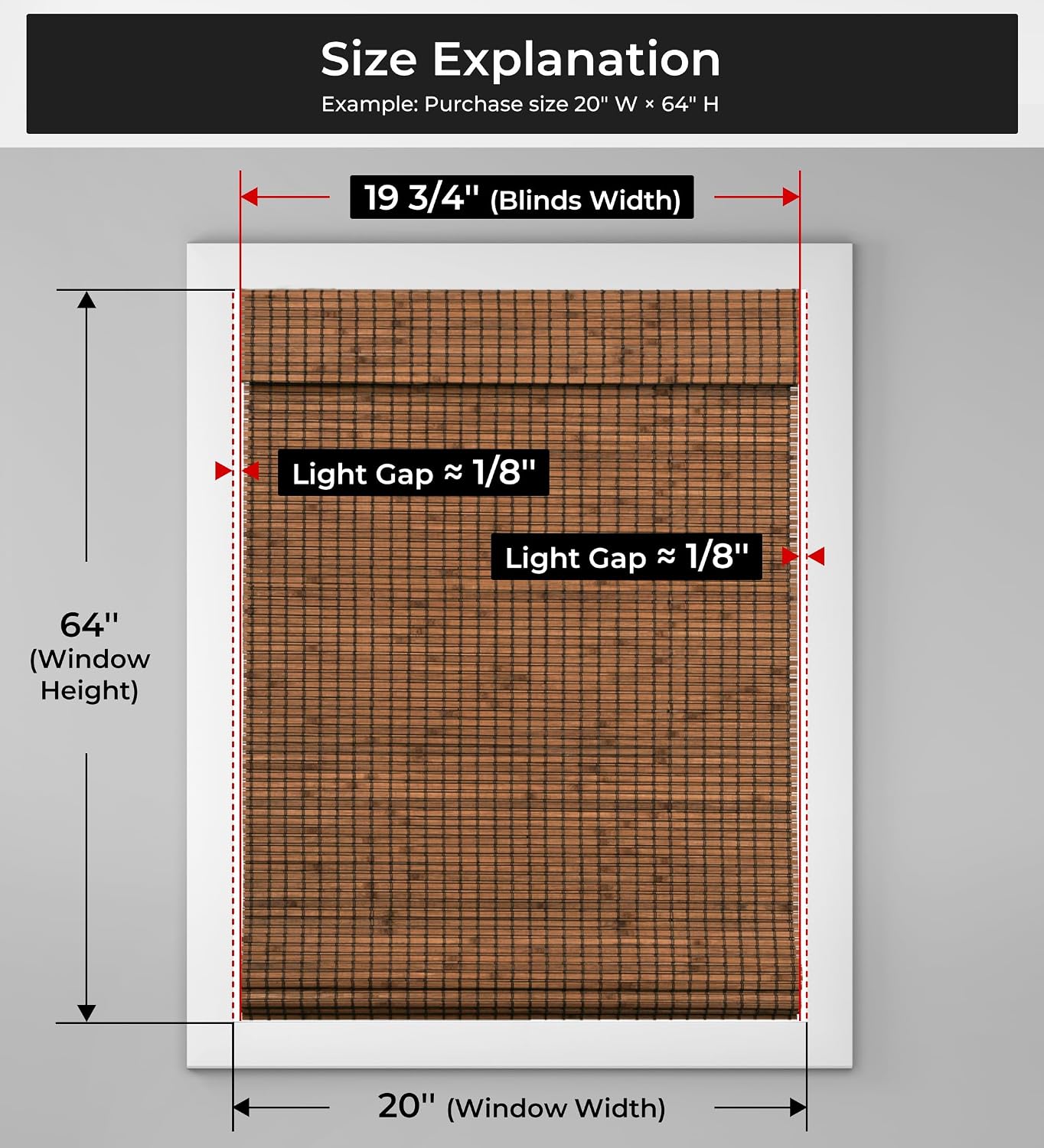
Does the mount type affect light bleed? Inside mount installations — where the shade fits within the window frame — will always allow some light gap along the top and sides of the frame. This is a function of the mount, not the shade material. An outside mount, where the shade bracket extends beyond the frame and covers the surrounding wall, closes those gaps. For rooms where nighttime privacy matters — street-facing bedrooms, urban apartments, rooms with direct neighbor sightlines — outside mount combined with a room darkening liner is the combination that actually delivers. Houzz’s window treatment community discussions consistently surface this as the most common installer oversight: buyers specify the right shade material and liner, then lose the benefit to an inside-mount gap.
Room-by-Room Comparison: Matching the Spec to the Space
Choosing between light filtering and room darkening bamboo roman shades is not a single decision — it’s a room-by-room call based on exposure, occupancy hours, and how much the nighttime privacy variable actually matters for that space.
Budget Tier: Unlined Light Filtering for Daytime-Only Spaces
For sunrooms, reading nooks, and living areas without direct street sightlines, an unlined light filtering bamboo roman shade is almost always the right call at the budget level. These spaces are typically unoccupied or low-activity at night, and daytime glare control — not privacy — is the primary job. Architectural Digest’s window treatment guide specifically calls out woven natural shades as optimal for sunrooms because the weave diffuses harsh midday light into something ambient and warm without blocking the visual connection to the outdoors. At the $80–$200 per shade tier on SelectBlinds or Blinds.com, an unlined tight-weave bamboo shade delivers strong daytime performance, genuine warmth in the material story, and no unnecessary spend on a liner the room doesn’t need.
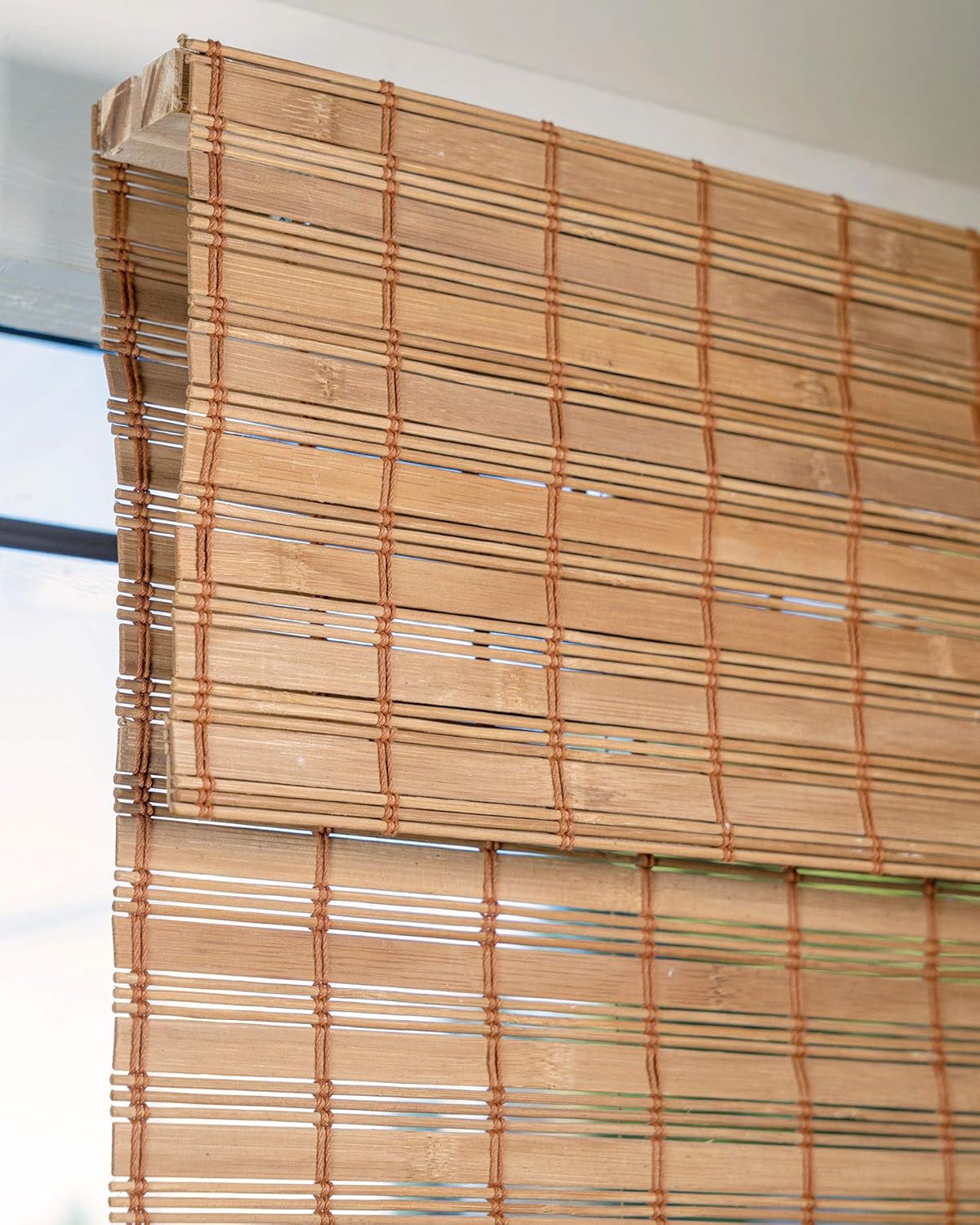
CHICOLOGY
$35.10
In stock on Amazon
Check price on AmazonMid-Tier: Privacy Liner for Living Rooms with Mixed Exposure
The mid-range buyer with a ground-floor or corner apartment faces a harder problem. The living room is a social, daytime-focused space — but it also has direct street sightlines and occupants in the evening. Here, a tight-weave light filtering shade with a privacy liner (not a full blackout) splits the difference: meaningfully better nighttime privacy without the heavy, sealed feeling that a full blackout liner creates in a social space. At the $200–$500 per shade tier from Smith & Noble or The Shade Store, this configuration is usually available as a single SKU with the liner built in, rather than as an add-on. The Spruce’s bamboo shade coverage consistently notes that privacy liners in this category achieve 90–95% light block — enough to prevent clear silhouette projection, not enough to make the room feel like a darkroom.
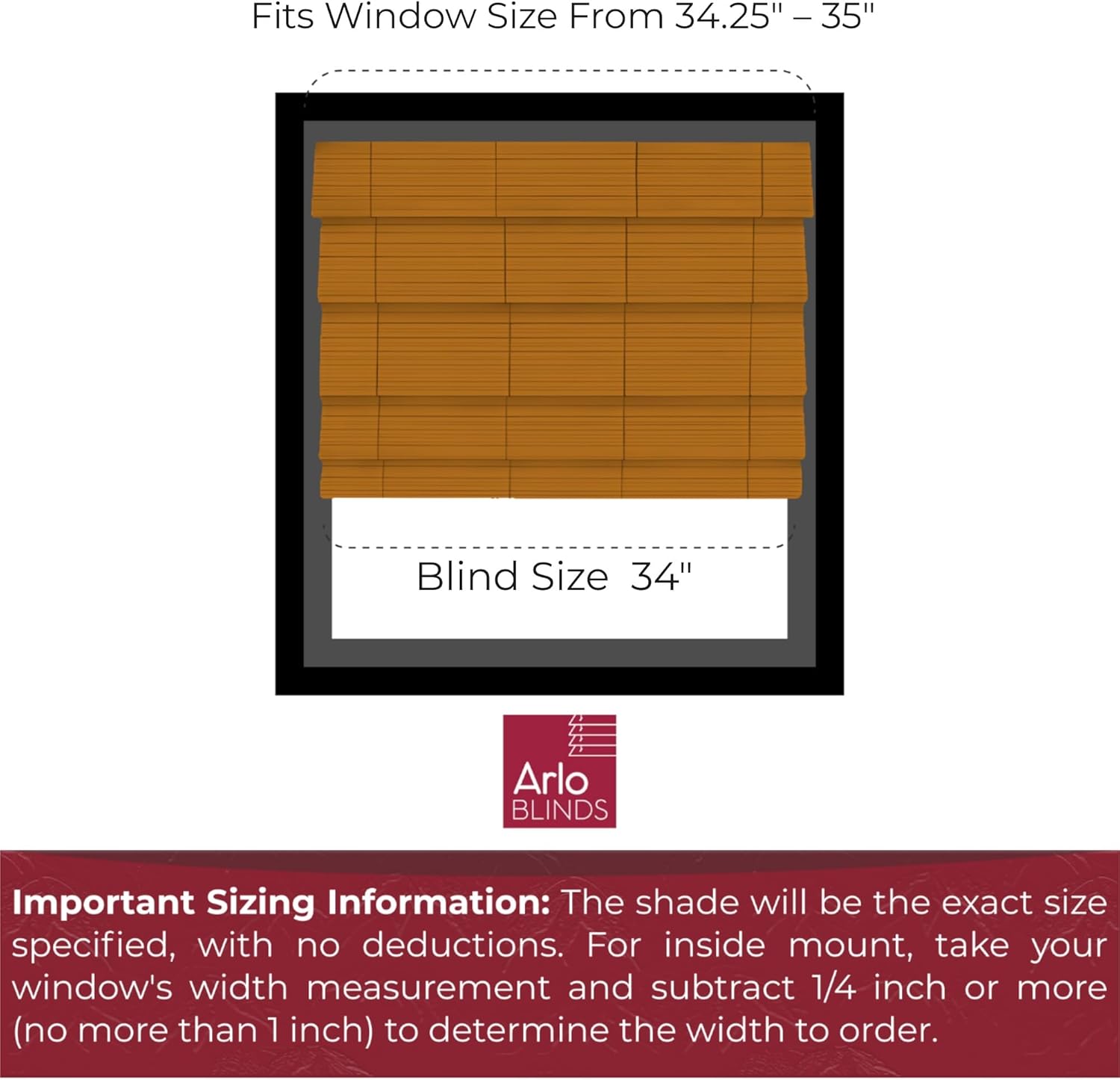
ARLO
$50.99
In stock on Amazon
Check price on AmazonPremium Tier: Room Darkening Liner Plus Outside Mount for Street-Facing Bedrooms
The highest-stakes scenario is the street-facing or urban bedroom. Nighttime privacy and sleep quality are both in play. At the premium custom tier ($500–$2,500+ per shade for motorized specifications from Smith & Noble or The Shade Store), a room darkening liner bonded to the back of the woven bamboo face — combined with an outside mount that eliminates the frame gap — is the specification that actually delivers. Motorization matters here: it ensures the shade is fully deployed every night without the wear and snap of repeated manual operation, and it removes the human factor of forgetting to lower the shade before turning on bedside lamps. Bob Vila’s treatment comparison notes that achieving true room darkening performance in woven natural shades requires both the liner and the mount geometry — neither alone is sufficient. At this tier, that combination is built into the standard specification rather than assembled from add-ons.
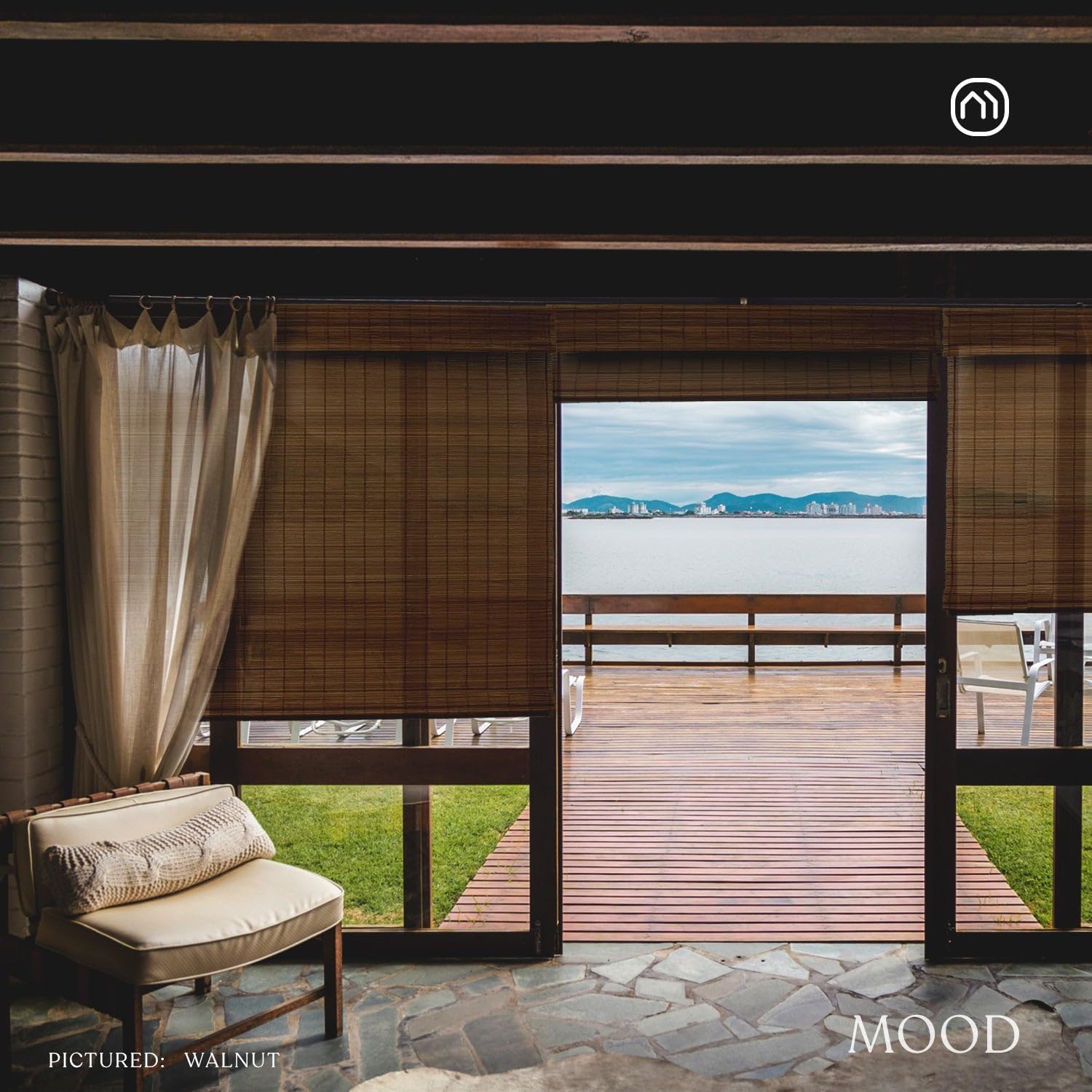
MOOD
$67.99
In stock on Amazon
Check price on AmazonThe Decision Rules, Plainly Stated
If the room has direct street exposure and occupants at night: specify room darkening liner, outside mount, and confirm the liner is included in the construction — not just offered as an add-on you might forget to select.
If the room is primarily a daytime space: unlined light filtering is sufficient and will look significantly better — more natural, more translucent, truer to the material.
If you’re specifying for a client who is drawn to bamboo aesthetics but hasn’t raised nighttime privacy: raise it proactively. The gap between what “room darkening” reads like on a product page and what it delivers at night with a lit interior is the single most common source of post-installation disappointment in this category. Setting the expectation correctly — and recommending the liner where it’s warranted — protects the relationship and the project outcome.
If budget is the binding constraint and full room darkening isn’t achievable: a tight-weave light filtering shade at the higher end of the density range, paired with inexpensive blackout curtains as a secondary layer, is a pragmatic solution. Apartment Therapy’s bamboo shade coverage regularly surfaces this layered approach as the practical answer for renters and first-time decorators who want the bamboo aesthetic without a custom-tier budget.
If the room serves double duty as a daytime workspace and nighttime sleep space: a layered specification — bamboo roman shade for texture and daytime glare control, paired with a secondary roller blackout shade behind it — gives independent control of both functions. It’s a more expensive spec, but it’s the only configuration that fully solves both problems without compromise.
The bamboo roman shade’s greatest quality — that organic, imperfect weave that makes light feel alive in a room — is also the thing that makes opacity a genuinely harder problem than it is with synthetic materials. Knowing that going in, and matching the liner specification to the actual nighttime demands of the space, is the whole game.